Man Identified with Fingerprints 34 Years After He Was Found Dead on Church Grounds
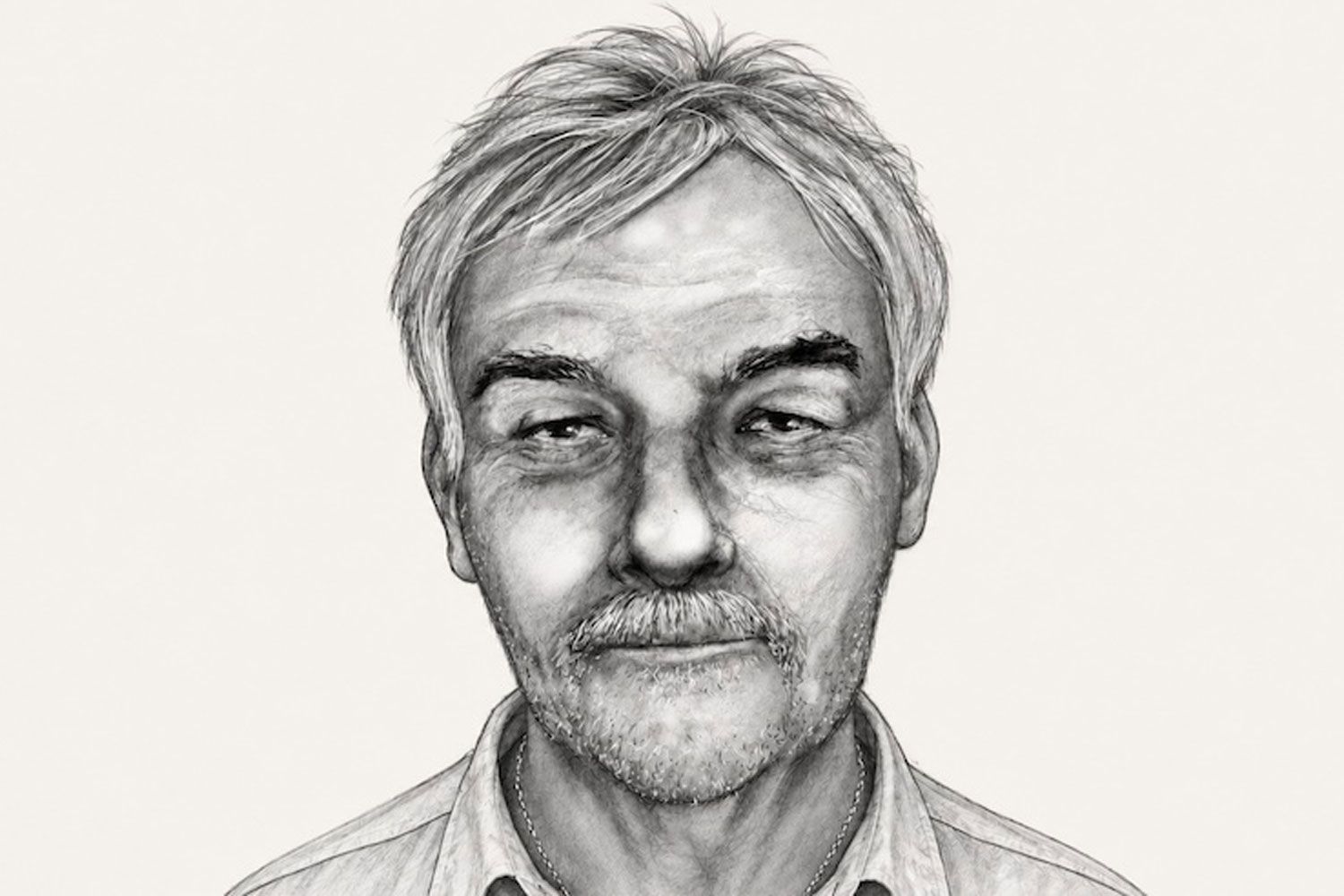
A composite drawing of the unknown man found dead in Toronto in 1992, later identified as DerekCredit: DNA Solves/Ontario Provincial Police
On Sept. 15, 1992, first responders found a deceased male on church property in Toronto. He had no identification with him, and authorities were unable to identify him for over 30 years
In 2025, authorities began employing investigative genetic genealogy for the cold case
A fingerprint comparison established that the man who died in 1992 was a man named Derek, whom authorities said moved from the U.K. in the 1970s
Authorities in Toronto finally identified a man who was found dead on a church’s lawn 34 years ago through fingerprints.
Toronto Police Service said in a release on Wednesday, Nov. 11, that authorities were notified about an unresponsive male found lying on church grounds in the Queen Street East and Church Street area on Sept. 15, 1992. First responders were unable to revive the victim, and his death at the time was not deemed suspicious.
But because the man had no identification on him, officials were unable to determine his identity, and the case was left unsolved for over three decades.
Then, in 2025, the John Doe case was selected using investigative genetic genealogy under the Toronto Police Service’s Project 31 initiative — named after 31 open cases “involving long-term unidentified deceased people for whom DNA material is readily available.”
Othram, a DNA lab based in Texas, said that it obtained a DNA extract developed from forensic evidence in the case in October 2025. The lab’s scientists were then able to establish a single nucleotide polymorphism (SNP) profile from the evidence and shared the information with the Toronto Police Service.
“The man’s closest matches were very distant, but they suggested he was from the United Kingdom,” police said. “Months of work by the Toronto Police Service genealogy team and TPS investigators determined that the man was likely a man named Derek.”
Officials further said that Derek moved to Toronto sometime in the 1970s.
They also said that in December 1993, an attorney for Derek reported his client missing, more than a year after the unknown man was found dead on the Toronto church’s lawn. However, investigators at the time didn’t make the connection between the two.
Toronto Police Service said they found Derek’s fingerprints in another country. They compared them to the unidentified man found in 1992, and a positive match was made. Derek’s family in the U.K. was notified following the identification.
— sign up for PEOPLE’s free daily newsletter to stay up-to-date on the best of what PEOPLE has to offer, from celebrity news to compelling human interest stories.
Investigators were told Derek had died on a specific date. But, according to the police, “this proved to be a miscommunication - Derek had been declared legally dead on that date, after years of not replying to correspondence. No official record accounting for where or when he died existed.”
Toronto Police Service said that Derek is the 14th person identified through Project 31. Othram noted that Derek is the 32nd publicly announced case in Ontario in which authorities used the lab’s technology to identify a person.
Source: Crime



0 Comments